


- Home
- About
- Practice Areas
- Complete Representation for the Licensed Professional
- Professional License Defense
- Pharmacy Law
- Drug Enforcement Administration (DEA)
- DEA Doctor Investigations
- DEA Dentist Investigations
- DEA Investigation of Nurses and Nurse Practitioners
- DEA Investigation of Physician Assistants
- FAQs
- DEA Audits and Investigations
- DEA Registration Defense and Enforcement Actions
- DEA Surrenders
- DEA Registration Applications and Renewal
- DEA Orders to Show Cause
- DEA Suspension and Revocation Orders
- Drug Diversion and Drug Trafficking
- Conspiracy to Possess, Dispense, or Distribute a Controlled Substance
- Unlawful Dispensing of a Controlled Substance
- Unlawful Prescribing of Controlled Substances
- DEA Administrative Hearings
- Medical Spa License Defense
- Medicare Repayment
- Medical Marijuana
- Expert Witness
- Complete Representation for the Licensed Professional
- Testimonials
- Media
- Blog
- Contact

Can Telehealth Mistakes Lead to Professional Discipline in Illinois?
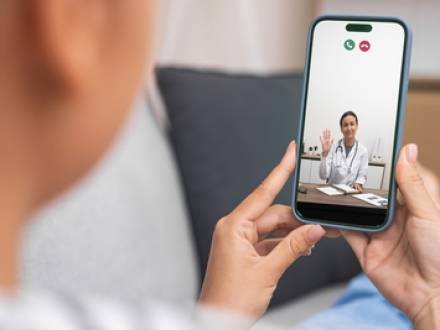 Telehealth mistakes can lead to professional discipline in Illinois. As telehealth has become a bigger part of how care is delivered, the rules that apply to in-person care have followed providers into the virtual setting. A mistake made during a telehealth visit is treated much like one made in person. If you are a licensed healthcare provider in Illinois facing a complaint or investigation related to telehealth in 2026, a Chicago medical license defense lawyer can help you understand what the state is looking at and how to protect your license.
What Standards Apply to Telehealth Practice in Illinois?
The standard of care for telehealth in Illinois is the same as for in-person care. Providers are expected to deliver the same level of care, skill, and judgment remotely that they would in an office. The fact that a visit happened over a screen does not lower the bar.
Illinois has specific rules for telehealth practice. Under the Illinois Telehealth Act, 225 ILCS 150/1 et seq., providers who deliver telehealth services in Illinois must be licensed in Illinois. They must meet the same standard of care as in-person providers, and they must follow the same documentation and recordkeeping rules. Failing to meet these requirements can result in a complaint to the Illinois Department of Financial and Professional Regulation (IDFPR).
What Types of Telehealth Mistakes Can Lead to Professional Discipline?
Not every mistake in a telehealth visit rises to the level of professional misconduct. But certain types of errors are more likely to lead to a complaint or investigation. Common issues in telehealth discipline cases include:
-
Prescribing controlled substances without doing a proper evaluation or without a valid prescriber-patient relationship
-
Failing to document the telehealth visit, including the patient's history, the examination, and the clinical reasoning behind any diagnosis or treatment
-
Providing care to patients in states where the provider is not licensed
-
Not getting informed consent before providing telehealth services
-
Missing a diagnosis or failing to send a patient for an in-person evaluation when the situation called for it
-
Breaching patient privacy through poor security on telehealth platforms
Any of these can lead to a complaint with the IDFPR. Some can also trigger federal investigations.
What Are the Prescribing Rules for Telehealth Providers in Illinois?
Prescribing is one of the highest-risk areas in telehealth, especially for controlled substances. Federal law places strict limits on prescribing controlled substances through telehealth without an in-person evaluation. This comes from the Ryan Haight Online Pharmacy Consumer Protection Act. Some exceptions exist, but providers need to know exactly what those exceptions are before relying on them.
Under the Illinois Controlled Substances Act, 720 ILCS 570/312, prescriptions for controlled substances must meet specific requirements to be valid. This applies whether the prescription is written in person or through telehealth. A prescription that does not meet those requirements can result in discipline by the IDFPR. It can also lead to criminal charges in serious cases.
What Is the IDFPR's Role in Telehealth Discipline Cases?
The IDFPR is the agency that licenses and disciplines healthcare providers in Illinois. When a complaint is filed, the IDFPR opens an investigation. They can request records, interview witnesses, and bring in consultants to evaluate whether the standard of care was met.
Under the Illinois Medical Practice Act, 225 ILCS 60/22, the IDFPR has broad authority to discipline a licensee for unprofessional conduct, negligence, or violations of state law. Discipline can range from a formal reprimand to probation, suspension, or full revocation of a license. Even a reprimand can affect a provider's reputation, hospital privileges, and ability to participate in insurance networks.
What Should You Do if You Receive a Telehealth Complaint in Illinois?
Getting a complaint from the IDFPR is serious. How you respond early in the investigation can make a big difference in how things turn out. Do not respond to the IDFPR on your own without first talking to an attorney. Even a response that seems straightforward can hurt your defense later.
Gather all records from the telehealth visit in question. This includes documentation, correspondence, and any platform logs. Do not change or destroy any records. If the complaint involves prescribing, carefully review the prescription history and clinical notes before doing anything else.
Getting legal help right away gives your attorney the most time to evaluate the situation and build a strong response before the investigation moves further.
How Can You Protect Your Telehealth Practice From Disciplinary Issues Going Forward?
Even if you are not currently under investigation, knowing the rules that apply to telehealth is the best way to avoid a complaint. Make sure every telehealth visit is fully documented. Only provide care to patients in states where you are licensed. Use HIPAA-compliant platforms for all virtual visits. Follow the prescribing rules for controlled substances closely, and keep up with any changes to those rules as they happen.
Schedule a Free Consultation With Our Rockford, IL Professional Licensing Defense Lawyer
Attorney Joseph Bogdan is a registered pharmacist and an attorney with over 20 years of experience defending healthcare providers facing regulatory investigations. He also serves as an expert witness in pharmaceutical cases involving controlled substances. That combination of legal and clinical knowledge gives him a level of insight that most attorneys simply do not have. Call The Law Offices of Joseph J. Bogdan, Inc. at 630-310-1267 to talk to a Chicago doctor license defense attorney with the kind of experience you need.

Schedule a Free Case Evaluation Today
Complete the contact form below or call us at 630-310-1267.



From our office in Oak Brook, Illinois, we serve clients throughout the state of Illinois in the defense of their professional license, including but not limited to Naperville, Wheaton, Chicago, Springfield, Rockford, Champaign, Carbondale, Decatur, St. Charles, Schaumburg, Western Springs, Joliet, Arlington Heights, Peoria, and Kankakee.
The information you obtain at this site is not, nor is it intended to be, legal advice.

© 2026 The Law Offices of Joseph J. Bogdan, Inc., IDFPR Defense Attorney 1550 Spring Rd. Suite 225, Oak Brook, IL 60523 630-310-1267
